
Rail Electrification Is Advancing, and the Role of Partners Who Understand the Bigger Picture Is Becoming More Important
Approximately half of Europe’s rail network has been electrified, and the majority of rail traffic already runs on electricity. However, there are still sections of the network where full electrification is not cost-efficient, creating opportunities for new types of solutions.
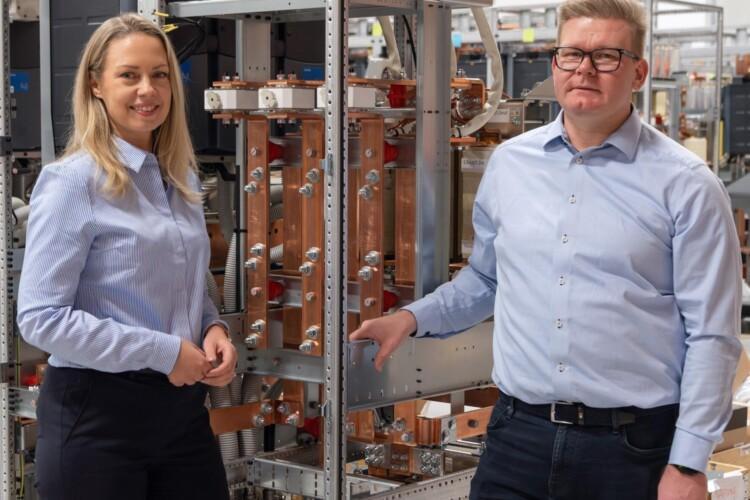
“Battery and hybrid solutions are particularly effective in locations where building permanent power supply infrastructure is not practical, such as difficult terrain, branch lines, or the final non-electrified kilometers before a station,” says Janne Saarijoki, Sales Manager at Promeco.
Battery and Hybrid Solutions Are Changing Rolling Stock Requirements
As battery solutions become more common, new technical systems are being integrated into rolling stock, affecting both structures and systems.
“When discussing battery packs, thermal management, tightness and safety, including fire safety and various risk management aspects, become increasingly important. They are a critical part of the overall solution,” Saarijoki explains.
While these requirements have existed in the railway industry for some time, battery technology is pushing them to new heights. When energy is stored onboard the train, enclosures become an increasingly critical part of safety and functionality.
Electrification is transforming the rolling stock itself and reshaping the supply chain. Customers need partners who can understand the entire system.
Instead of focusing on individual components, the emphasis is shifting toward the ability to deliver integrated solutions and understand how different technologies interact with one another.
Promeco Combines Electrical and Mechanical Expertise
For Promeco, this development is a natural continuation of its long experience in demanding railway solutions and strong mechanical manufacturing expertise.
“Combining electrical and mechanical expertise is our key strength. That is where we are at our best,” Saarijoki says.
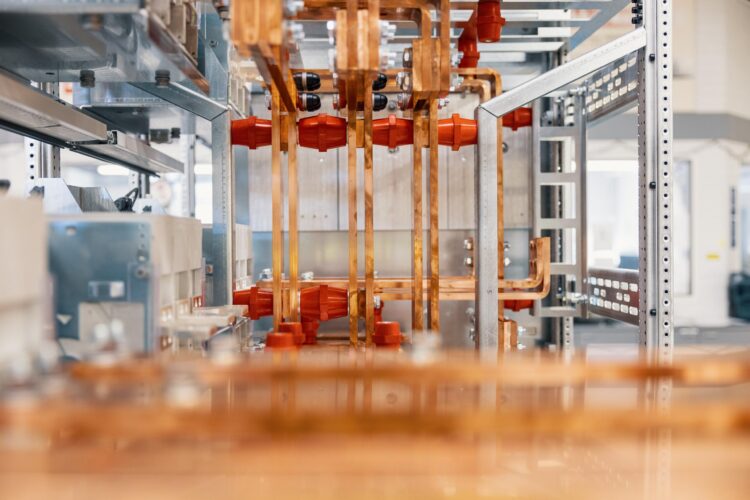
In practice, this means enclosure solutions where both electrical and mechanical requirements are considered throughout the entire process from design to manufacturing.
Especially in battery applications, enclosure design is a critical part of the overall solution.
“An enclosure is the protective housing where safety, sealing tightness, and mechanical durability come together. The same basic requirements apply across railway applications, but in battery solutions their importance becomes even greater,” Saarijoki explains.
At Promeco, enclosure expertise is combined with a deep understanding of railway industry requirements, including standards, audits, and quality assurance. The company operates according to certified quality management systems, and both customers and end customers, including leading European rail operators, regularly audit Promeco’s operations.
From Manufacturing to Complete Solutions
Although the railway industry still involves the delivery of many individual mechanical components, the trend is moving toward broader system deliveries.
“The larger the overall package that can be sourced from a single supplier, the more efficient it becomes for all parties involved,” Saarijoki states.
At Promeco, this also means bringing manufacturability into the process from the earliest stages.
“We aim to introduce the manufacturing perspective right from the beginning. That helps create solutions that are more functional, cost-efficient, and require fewer modifications later on,” Saarijoki says.
The Future Is Becoming Increasingly Electric
Railway electrification continues to advance strongly. Traditional electrification will continue, but battery and hybrid technologies are emerging alongside other energy solutions. Hydrogen, biogas, and synthetic fuels, for example, are also being explored for railway applications.
Electric propulsion forms the core of modern rolling stock regardless of the energy source. Electricity can be taken directly from the grid, stored in energy systems, or generated through technologies such as fuel cells. Power electronics convert the energy into a controlled form for traction motors, which produces the movement. The same basic architecture applies to traditional electric trains, battery-powered trains, and hydrogen-based solutions alike.
“The industry is clearly moving toward increasingly electrified railway traffic. Traditional electrification will continue, but battery and hybrid solutions make it possible to cover sections where conventional electrification is not feasible,” Saarijoki says.
Zero-emission rail transport is now moving from pilot projects to industrial-scale implementation. Promeco’s expertise is also utilized in advanced solutions that combine hydrogen fuel cells, lithium-ion batteries, and intelligent energy management systems.
Rolling stock is becoming more complex, and the integration of multiple technologies is becoming increasingly important. This increases the need for partners who understand the bigger picture.
This is where Promeco’s strength lies: the ability to combine electrical and mechanical expertisee, and manufacturing into a seamless and functional whole-today and in the future.
Contact us to discuss how we can support your next railway project.