Promeco Combines Electrical and Mechanical Expertise in Demanding Industrial Projects
In demanding operating environments, systems must withstand mechanical stress, meet technical requirements and perform reliably as part of a larger system. Promeco brings together engineering, electrical and mechanical manufacturing, system integration and testing according to customer needs. By managing multiple stages within a single delivery, Promeco helps customers reduce the number of interfaces they need to coordinate and manage manufacturing risks more effectively.
Customers may have clearly defined requirements for how a system should perform and the conditions it must withstand, even when the technical solution has yet to be finalised. In other cases, the designs are already complete. According to Mika Korkeamäki, Sales Manager at Promeco, the role of a manufacturing partner can vary considerably from one project to another.
“We can be involved in the engineering process, or we can manufacture directly from the customer’s completed drawings. And we can do everything in between,” Korkeamäki explains.
During the engineering phase, factors such as material selection, manufacturability and the integration of electrical and mechanical components can already be evaluated. This helps ensure that the customer’s technical requirements are also taken into account in the practical implementation.
From Electrical Solutions to Mechanical Structures
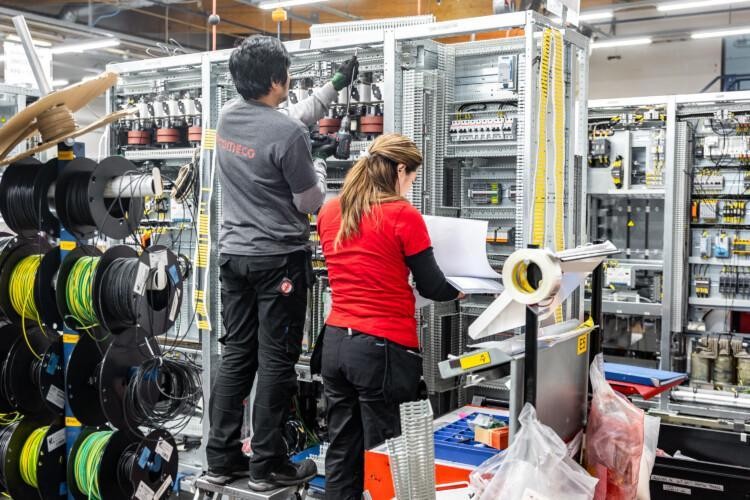
Promeco’s expertise covers demanding mechanical structures and assemblies, electrical cabinets and switchboards, and power distribution systems. Depending on the project, these can be combined into larger modular or integrated system solutions, with installation, testing and documentation requirements defined individually.
Mechanical manufacturing capabilities include steel and aluminium structures, sheet metal processing, various welding methods, as well as thermal insulation and protective solutions. Promeco can take responsibility for manufacturing an individual structure or delivering a more extensive electromechanical assembly.
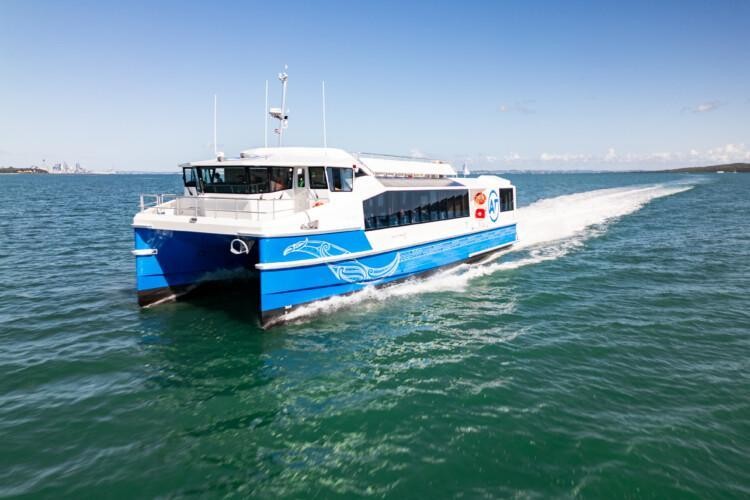
Promeco has gained extensive practical experience from demanding projects in the marine, railway and energy industries. In marine applications, for example, power distribution systems must operate reliably alongside other onboard systems. In railway applications, structures must withstand continuous use and mechanical stress.
The defence industry is another area where these manufacturing capabilities can be applied. For example, as part of Finland’s Squadron 2020 programme, Promeco has supplied power distribution systems for naval vessels, including main switchboards, and participated in engineering collaboration. Other projects in the sector have included deliveries of mechanical assemblies, containers and protective structures.
Mobility Places Demands on the Entire System
Mobile and modular systems are examples of applications where electrical and mechanical expertise complement each other. A transportable system must withstand transportation, protect the equipment housed inside it and operate reliably once deployed.
For example, a containerised technical system may begin with a basic structure that is adapted to accommodate the equipment, connections and operating conditions. Depending on the scope of delivery, Promeco can manufacture the structure and carry out the required electrical integration. Serviceability, thermal insulation and any shielding requirements related to electromagnetic compatibility (EMC) are also considered according to the application.
Modular design can make it easier to expand a system’s capacity or functionality, provided that this flexibility is considered from the outset.
The same manufacturing expertise can serve very different applications. Korkeamäki illustrates this with the example of mobile power distribution.
“A similar basic solution might be needed at a festival site or a military command post. The container is brought to the location, power is distributed, and the entire unit can later be moved elsewhere,” he explains.
The same manufacturing methods and production capacity can be used across different industries and applications. However, the final requirements for protection, testing and documentation always depend on the intended use.
Quality and Testing Help Reduce Customer Risks
The more components and subsystems a system contains, the more important it becomes to ensure their compatibility and compliance with requirements. Quality assurance, documentation management, traceability and information security are particularly important in demanding projects.
Promeco’s operations are supported by certifications including ISO 9001 for quality management and ISO 27001 for information security management.
“I would particularly emphasise quality and risk management. When a delivery has been manufactured and tested according to the specified requirements, it also helps reduce risks that might otherwise arise at later stages,” Korkeamäki says.
Depending on the agreed scope, a delivery can combine mechanical manufacturing, electrical installation, assembly and testing. This makes it easier to manage interfaces between different stages and demonstrate that requirements have been met. Well-managed documentation and agreed inspections also support the integration of the delivered assembly into the customer’s wider system.
Early Collaboration Makes a Difference
The greatest opportunities to improve manufacturability come before technical solutions have been finalised. At this stage, material choices, structural design and testing requirements can be considered more easily.
“The earlier we become involved, the better we can help avoid unnecessarily complex solutions or designs that are difficult to manufacture,” Korkeamäki concludes.
Looking for a partner for a demanding electrical, mechanical or integrated system delivery? Get in touch with Promeco’s experts to discuss your project requirements.