One container, one supplier: delivering integrated systems ready for commissioning
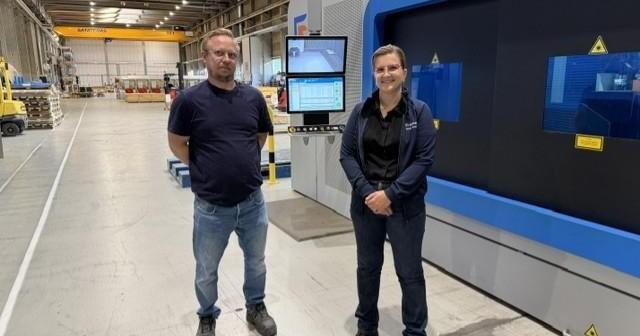
Industrial customers increasingly want electrical and mechanical systems delivered as complete units that can be commissioned on arrival, rather than as components to be assembled on site. What decides the outcome is rarely a single component. It is the ability to manage the entire delivery, from purchasing and manufacturing to integration and testing. Containerised solutions are one way to bring these capabilities together. Sales Manager Paulina Bieńkowska-Skóra and Production Unit Manager Mikko Kohtamäki explain what this requires in practise.
Heavy equipment is going electric, and power infrastructure needs to follow

Containerised solutions can be used in a wide range of industrial applications where mechanical and electrical systems need to be integrated into one ready-to-use unit. One example is charging infrastructure for ports, where the transition from diesel to battery-powered equipment creates a need for new charging solutions.
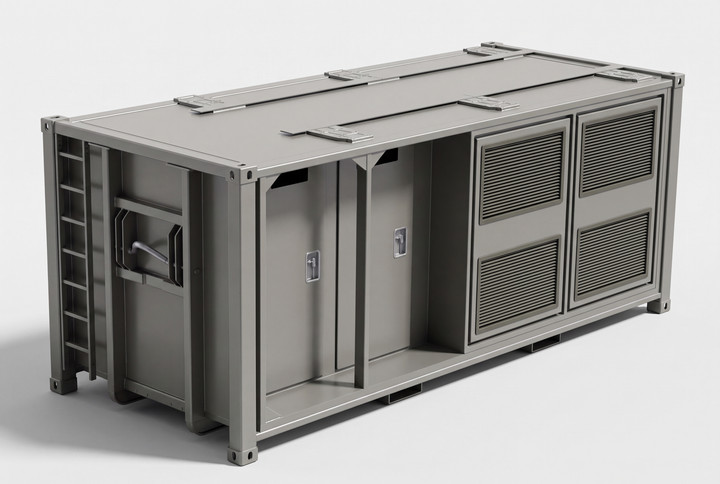
“Port charging is one example of where a containerised solution works well,” Bieńkowska-Skóra says. The unit is a large-scale charger built inside a container frame, with the switchgear, transformer, cooling, and fire suppression all installed and connected before the container leaves the factory. Several units have been built to the same concept.
Mechanics and electrics from the same supplier
Containerised solutions require mechanical manufacturing and electrical integration to work seamlessly together. Promeco can manage both within the same delivery, from manufacturing the container structure to integrating the electrical systems and completing the assembly.
“We can manufacture the complete mechanical structure, from the container frame, walls, doors, and roof to the electrical integration. Our strength is managing the complete delivery as one,” Kohtamäki says.
This combination of mechanical and electrical expertise allows Promeco to take responsibility for the complete containerised solution rather than individual parts of the delivery. “Bringing different capabilities together and managing the complete solution is where we can provide real value,” Bieńkowska-Skóra says.
Customer documentation meets the realities of the shop floor
Receiving a complete set of drawings does not mean the work can start as drawn. The structure still must be built into the production system, and the documentation must be reconciled with what can be manufactured.
“Depending on the project, we can work from customer documentation or contribute to the design and engineering. In either case, the solution needs to be adapted and prepared for efficient manufacturing and assembly,” Bieńkowska-Skóra says.
The route from order to the start of the production runs through several functions. Capacity is confirmed first, then engineering prepares the structure, purchasing sources the components, and planning schedules the work against component lead times, which for some items are long. “Good communication is a key part of these projects. When questions or changes come up, close cooperation helps us find solutions quickly and keep the project moving,” Bieńkowska-Skóra says.
Mechanics first, electrics second
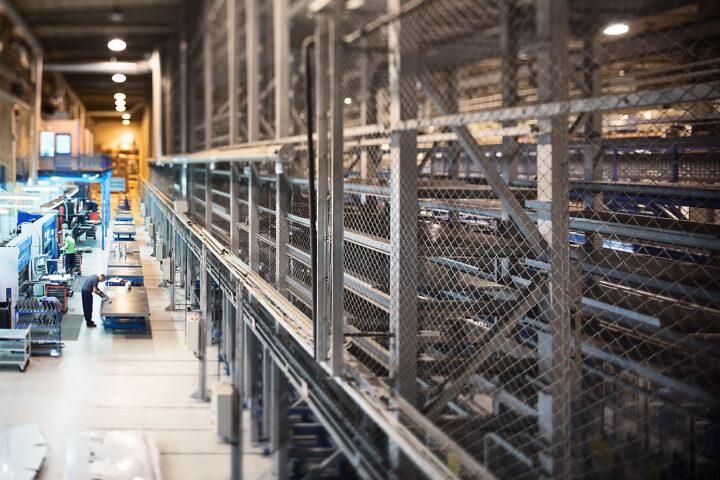
Building a containerised solution starts with the steel. Laser cutting, bending, and welding produce the frame, which goes to a subcontractor for painting before the walls, roof, and thermal insulation are assembled. Only then does the electrical work start.
“Electrical equipment is sensitive, so the mechanical part must be finished first. Only after that can the electrical assemblies go in,” Bieńkowska-Skóra says.
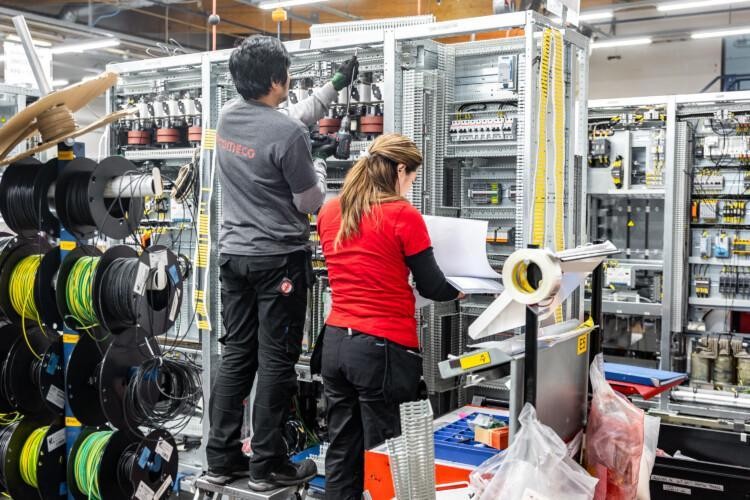
Electrical integration follows the mechanical assembly, with cabling, components, and switchgear installed as part of the complete containerised solution. Depending on the application, other systems such as cooling, fire suppression, or additional technical equipment can also be integrated.
“Containerised solutions bring many different elements together. The key is making sure that the mechanical structure, electrical systems, and other equipment all fit and work together as one complete unit,” Kohtamäki says.
Projects can also involve specialist partners where additional expertise is required. Coordinating these different parties and interfaces is an important part of managing the complete delivery.
“When several disciplines and suppliers are involved, managing the interfaces and the whole delivery becomes especially important,” Kohtamäki says. At Promeco, the project manager coordinates the different functions and keeps engineering, purchasing, production, and quality aligned throughout the project.
Nothing leaves the factory untested
Testing is not left to the end. Inspections gate the move from one stage to the next.
“Testing and inspections happen throughout the process. Before and after the mechanical work there are tests to pass before the next stage can start,” Bieńkowska-Skóra says.
The customer follows the build throughout. Regular meetings cover progress and purchasing status, and visits to the factory are possible at any stage.
“It is not simply about placing an order and receiving a finished container. Close cooperation throughout the project is an important part of making the delivery work smoothly,” Bieńkowska-Skóra says. The delivery typically closes with a factory acceptance test, where the customer approves the unit before it ships.
What a ready-to-commission unit is worth to the customer
The benefit of a pre-integrated unit is that the customer does not have to manage the interfaces between different suppliers.
“They get the whole package from one place. They do not have to buy the container frame from one supplier and the electrical assembly from another,” Kohtamäki says.
What arrives is a product that is ready to be put to work.
“They have a finished product. After inspection and testing, it is ready to be put to work. It is easier and faster for them than building it themselves,” Bieńkowska-Skóra says.
Asked what makes these projects succesful, her answer is short. “The expertise of our team is the foundation of success.”
From single units towards series
Both perspectives point to the same lesson. Building a new product one unit at a time leaves little room to absorb the corrections that a first-of-its-kind build always needs.
“When you are building a new product, it does not run in a straight line. You need room to adjust and correct,” Kohtamäki says.
“With the same team you could build five units instead of one. Building in series can be more valuable for everyone,” Bieńkowska-Skóra says.
Demand for pre-integrated containerised systems is expected to grow, driven by the same cost and emissions logic that is electrifying the equipment itself. The pace depends on infrastructure decisions that are still open.
“It is the future, but the ports need the infrastructure to be ready for batteries. Now nobody knows exactly which way it will go,” Bieńkowska-Skóra says.
The opportunities extend well beyond charging infrastructure. Promeco’s containerised solutions can be used wherever mechanical structures, electrical systems, and other equipment need to be integrated, tested, and delivered as one complete unit, for example, in energy and power distribution, charging and electrification, marine and defense applications and other demanding industrial environments.
Do you have a delivery where mechanical and electrical work need to arrive as one working unit? Contact our experts and let’s go through what it would take.